
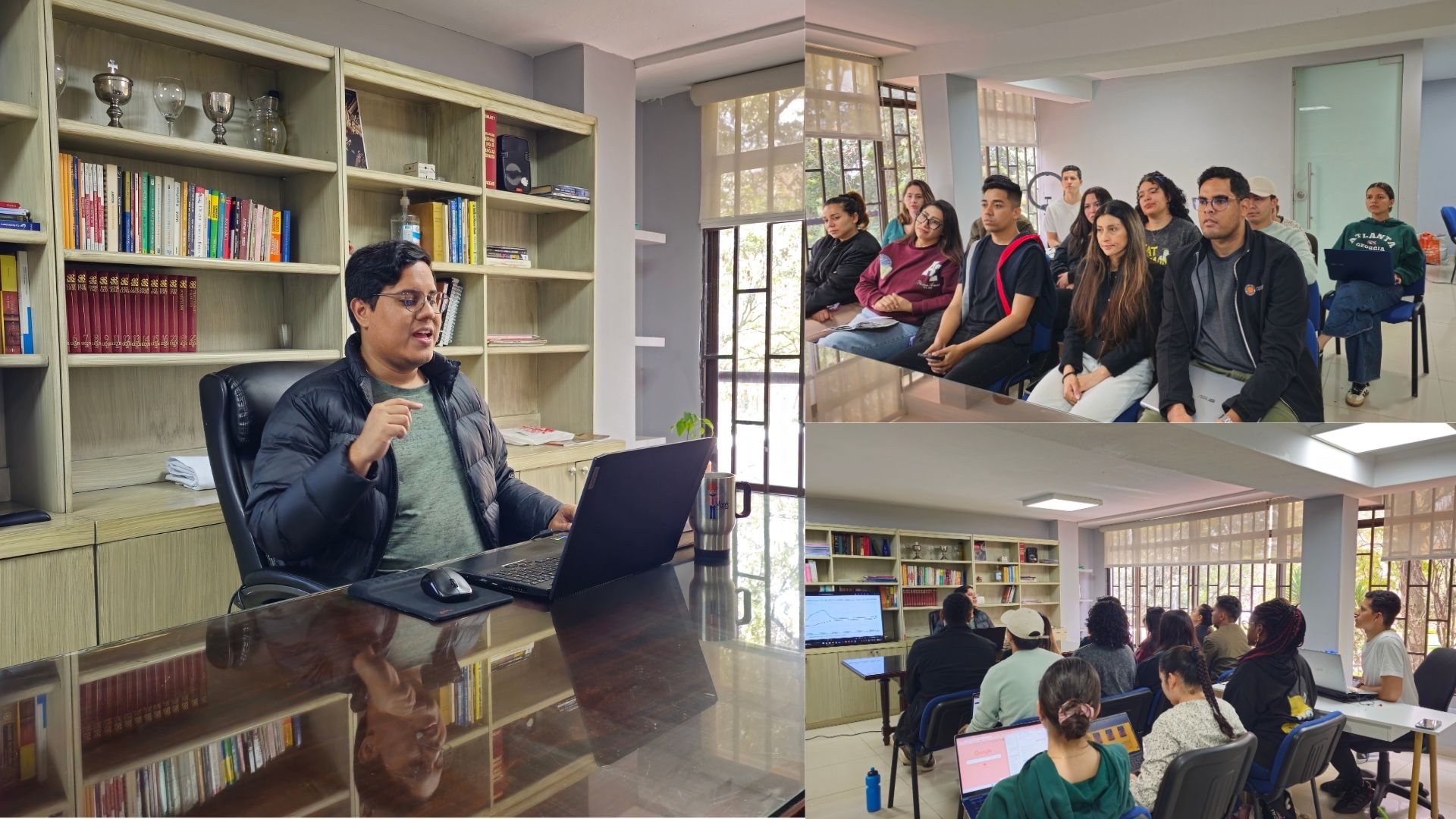
On April 24, 2026, within the framework of strengthening ecclesiastical leadership in the South American region, the South American General Secretary, Moses Gonzalez, delivered a teaching that not only reaffirmed the biblical foundations of church government, but was also shared as regional guidance for South America, directing congregations toward a model that is solid, healthy, and faithful to Scripture.
One of the central emphases of this instruction is the responsibility of leadership to guard the doctrinal purity of the church, confronting every influence that may distort the gospel. This task is neither optional nor secondary, but essential for preserving the testimony of Christ amid diverse and challenging cultural contexts.
The Ruling Elder Within the Biblical Order
Within the Presbyterian structure, the ruling elder is understood as an institution established by Christ Himself for the governance and edification of His Church. This role transcends any merely administrative function; it is a deeply spiritual calling that requires discernment, maturity, and commitment to the truth.
Church government is exercised collegially in the session, where elders, together with ministers of the Word, seek God’s direction under the supreme authority of Christ. This model ensures balance, accountability, and faithfulness in decision-making.
Comprehensive Functions of the Elder
The ministry of the elder unfolds across multiple dimensions that reflect the fullness of pastoral care:
- Spiritual governance: Active participation in the doctrinal and disciplinary direction of the church.
- Pastoral care: Close accompaniment of members through exhortation, prayer, and ongoing oversight.
- Ecclesiastical discipline: The biblical application of correction with the purpose of restoring the believer, preserving the purity of the church, and honoring God.
Practical Dimension: Ministry in Action
The exercise of eldership is not limited to formal meetings. On the contrary, it involves continuous oversight of congregational life. The elder is called to know the spiritual condition of the members, maintain consistent pastoral contact, identify needs, and address critical situations with sensitivity and wisdom.
Likewise, the elder plays a key role in fostering active participation within the church and advancing the mission. This includes motivating the congregation toward evangelism and supporting the development of new leaders who will ensure the continuity and expansion of the work.
Counsel and Discipline: Extensions of Shepherding
In daily ministry, the elder applies the Word of God to the concrete realities of believers through biblical counseling. The goal is to guide toward genuine repentance, strengthen faith, and promote a life of obedience.
Regarding ecclesiastical discipline, it is exercised under clearly established biblical principles:
- Restore the sinner
- Preserve the purity of the church
- Honor the name of Christ
This process must be carried out in an orderly and just manner, always oriented toward restoration, avoiding both negligence and undue harshness.
Responsibility and Evaluation of the Elder
The elder not only exercises authority but is also subject to constant evaluation in spiritual life, doctrinal faithfulness, and ministerial performance. His ultimate responsibility is before Christ, to whom he will give account for the care of the flock.
A Strategic Guideline for the Church in South America
The teaching presented, being shared as a directive for the South American region, underscores an unavoidable truth: the mission of the church requires biblically established leadership. It is not enough to start works; it is essential to consolidate them through the training and establishment of elders who meet the standards of Scripture.
A healthy eldership ensures:
- Order in the church
- Effective care of the flock
- Doctrinal faithfulness
- Sustainable missional projection
In this way, a church that seeks to impact cities and nations must prioritize the establishment of upright leaders, committed to God, His Word, and the expansion of the gospel.
For where there are faithful elders, the church not only grows, but remains steadfast and multiplies for the glory of Christ throughout South America.